

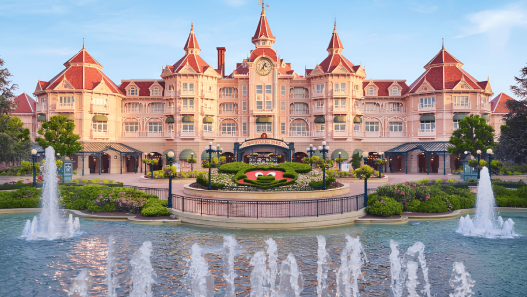


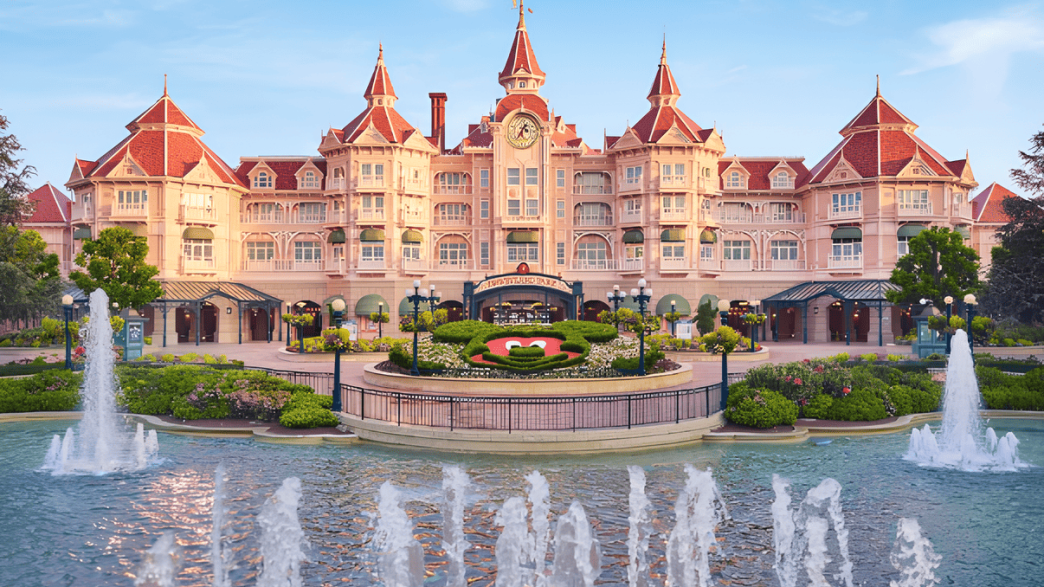
DAILYHOTELS.ID — Disneyland Hotel is one of the iconic properties that grew alongside the development of Disneyland in Anaheim, California. However, its history holds an interesting fact: the hotel was not originally built by Walt Disney himself, but by businessman Jack Wrather through a business agreement in 1955.
The collaboration between Walt Disney’s vision and Jack Wrather’s business expertise marked the beginning of a hotel that would eventually become part of The Walt Disney Company.
The Vision Behind Disneyland
The idea of Disneyland came from Walt Disney’s desire to create an entertainment destination where parents and children could enjoy time together. His visits to amusement parks with his two daughters inspired him to develop a place that offered more than just amusement rides.
After years of planning and construction, Disneyland officially opened on July 17, 1955, in Anaheim, California. The theme park quickly attracted visitors who wanted to experience its unique attractions.
However, visitors travelling from other cities also needed a place to stay. Walt Disney recognized the opportunity to build a hotel near the park. At the time, however, the construction of Disneyland had already required significant financial resources, leaving limited funds for another major development.
Jack Wrather: The Businessman Behind Disneyland Hotel
Jack Wrather was not a member of the Disney family. He was a businessman and television producer known for popular productions such as The Lone Ranger and Lassie. In 1954, he began expanding his business interests into the hospitality industry.
That same year, Wrather reached an agreement with Walt Disney to develop and operate a hotel on Disney-owned land near the theme park.
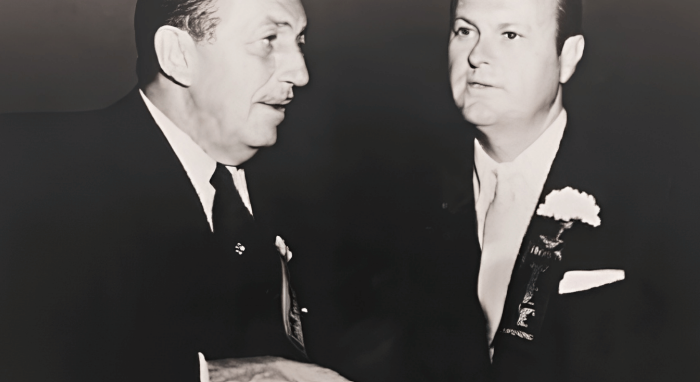
The partnership benefited both parties. Disneyland gained an accommodation facility for its visitors, while Wrather had the opportunity to establish a hotel business in a promising tourist destination.
Construction began on March 18, 1955, and Disneyland Hotel officially opened on October 5, 1955, nearly three months after the theme park’s opening. When it first welcomed guests, the hotel featured 104 rooms spread across five two-story buildings.
From Supporting Accommodation to Part of the Destination
Initially, Disneyland Hotel served as a convenient accommodation option for visitors who wanted to stay close to the theme park. Over time, however, its role became more significant in supporting the overall visitor experience.
The hotel gradually offered more than a place to rest after a day of enjoying attractions. Its accommodation facilities, restaurants, and recreational amenities became part of the wider tourism experience.
Under Wrather’s company, the property also underwent several expansions. What started as five buildings with limited capacity eventually developed into a much larger hotel complex.
This development demonstrated how accommodation businesses can grow alongside major tourist attractions. As destinations attract visitors from different regions, the demand for hotels and supporting hospitality services also increases.
Why Did Disneyland Hotel Eventually Become Disney-Owned?
Despite carrying the Disneyland name, the hotel remained outside Disney’s direct ownership for several decades. Its development and operations were managed through Jack Wrather’s company.
Following Wrather’s death in 1984, The Walt Disney Company acquired Wrather Corporation in 1988. Through this acquisition, Disneyland Hotel officially became part of Disney’s business portfolio, together with several other assets managed by the corporation.
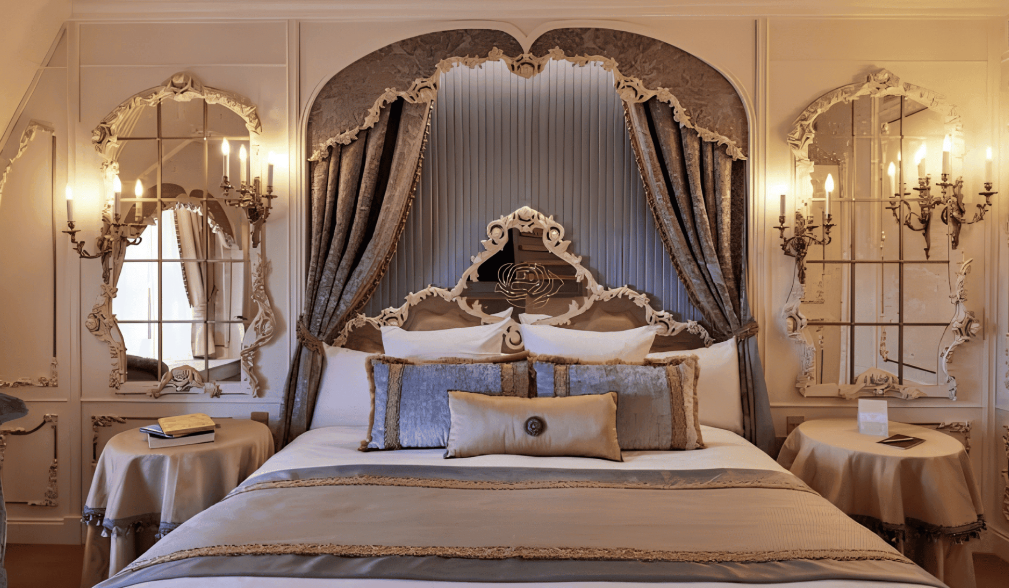
This ownership change marked an important chapter in the hotel’s history. The relationship between Disneyland and its neighboring hotel was no longer simply a business partnership between two separate companies. Both became part of the same corporate organization.
Lessons from the History of Disneyland Hotel
The history of Disneyland Hotel highlights how collaboration can play an important role in the development of a tourism destination.
Walt Disney introduced the vision and recognized the need for accommodation around his theme park. Meanwhile, Jack Wrather brought the business experience and resources needed to turn that opportunity into reality.
Their partnership shows that the hospitality industry does not always develop independently. Hotels can grow alongside popular tourist attractions, while destinations benefit from accommodation facilities that make visitors’ journeys more convenient.
For more stories about hotel history, hospitality industry developments, and interesting insights from the hotel business, stay connected with DailyHotels.id.